Kinematics, sensor integration, on-board AI, and safety frameworks, explained so you can assess each robot on confirmed engineering rather than assumptions.
Architecture
Core systems in a humanoid robot
Motion
Advanced kinematics and motion control
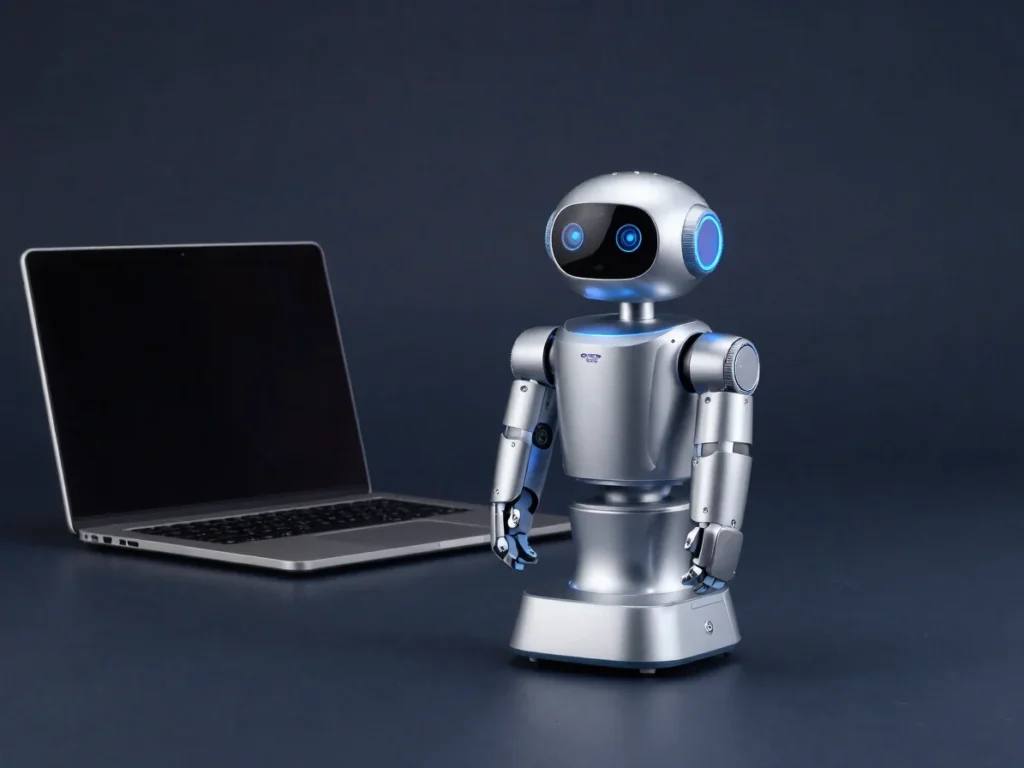
Joint layouts and actuator arrangements determine how each model moves through space. Compare degrees of freedom and control approach in each product's confirmed specifications.
Perception
Sensor arrays and on-board processing
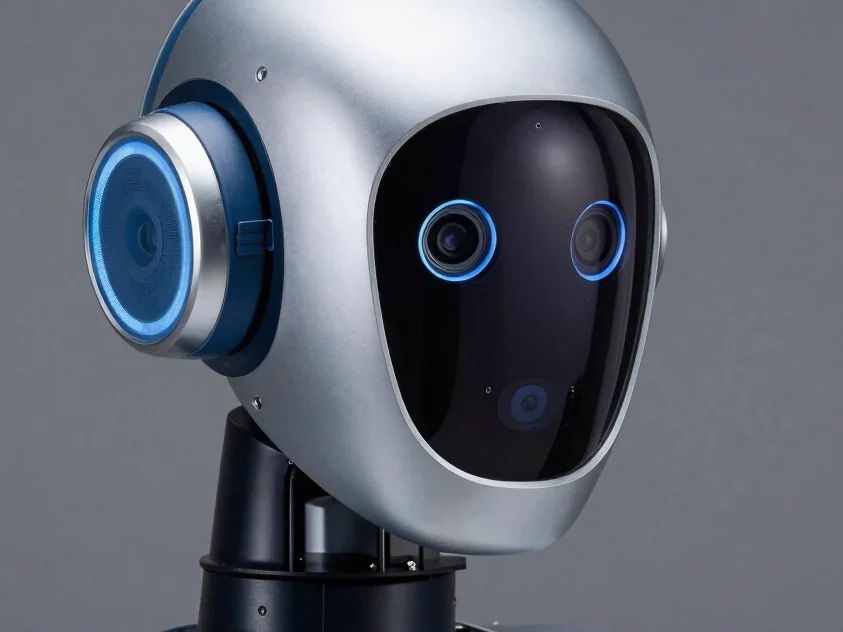
Cameras, microphones, and other sensors feed the robot's on-board AI. Sensor and processing configurations vary by model, so verify what each unit includes before choosing it.
Programming
Programmable frameworks and interfaces
Some humanoid platforms expose programming interfaces for development and research. Supported languages and tools are listed on each product page when they have been confirmed.
Verification
How we evaluate a platform
01
Confirm the specifications
Each listed kinematic, sensor, and processing detail is checked against supplied product documentation before it appears on a product page.
02
Review the hardware standards
Actuator reliability, power, and build quality are reviewed so the listed configuration matches the intended setting, whether commercial, educational, or research.
03
Check safety and compliance
Safety protocols and compliance documentation are reviewed for commercial and educational deployments, and gaps are flagged rather than assumed away.
04
Publish with clear warranty terms
Warranty coverage and support details are shown alongside the product, so you can assess long-term ownership before purchase.